 Our Blogs
Mild Steel vs. Stainless Steel: What is the Difference?
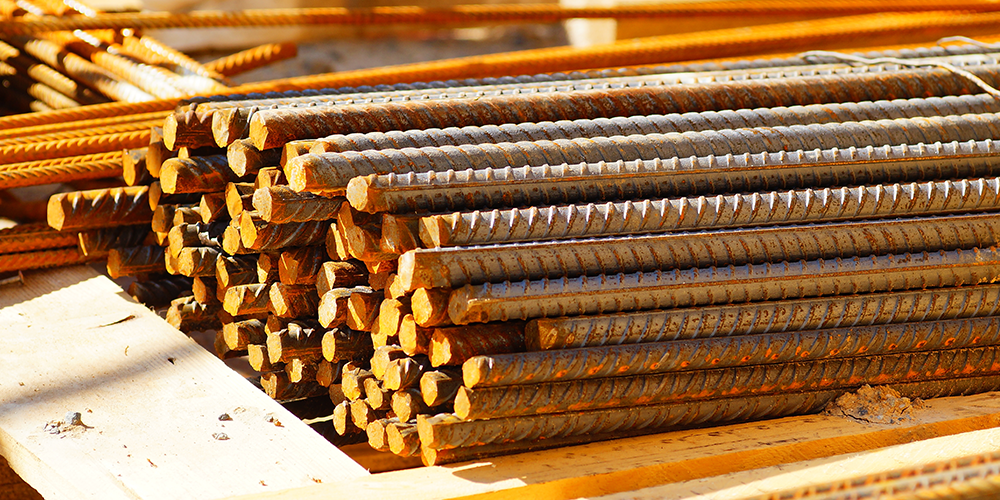
What is Mild Steel?
Mild steel, often referred to as MS steel, is a type of carbon steel with a relatively low amount of carbon—typically around 0.05% to 0.25%. The MS steel full form stands for Mild Steel, which is known for its excellent ductility, weldability, and affordability. This steel is versatile and can be easily shaped, welded, and fabricated.
Mild steel is often used in various industries because of its relatively low cost and ease of fabrication. MS material is commonly used in the construction of structural frameworks, pipelines, automotive parts, and furniture.
Key Characteristics of Mild Steel:
- Low carbon content
- Easily weldable and formable
- Cost-effective
- Susceptible to rust and corrosion without protective coatings
What is Stainless Steel?
Stainless steel (SS) is an alloy made primarily of iron, with a minimum of 10.5% chromium content by mass. The addition of chromium creates a passive layer of chromium oxide on the steel's surface, which makes it highly resistant to corrosion and staining. Stainless steel is also more durable and aesthetically appealing due to its shiny appearance.
Key Characteristics of Stainless Steel:
- Contains chromium (10.5% or more)
- High corrosion and rust resistance
- Sleek appearance and durability
- More expensive than mild steel
Stainless steel is widely used in industries that require resistance to moisture, heat, and chemicals. Common applications include kitchenware, medical instruments, architectural facades, and marine environments.
Composition Comparison: Difference Between SS and MS
The difference between SS and MS begins at the chemical level. Mild steel is composed primarily of iron and carbon, with only trace amounts of other elements, making it softer and more malleable. On the other hand, stainless steel contains not only iron and carbon but also significant amounts of chromium, nickel, and sometimes molybdenum, which enhance its strength, corrosion resistance, and durability.
This difference in composition is what sets the two materials apart in terms of properties and applications. Mild steel is primarily used for applications where corrosion is not a major concern, while stainless steel is chosen for environments where rust resistance is essential.
Mild Steel vs Stainless Steel Strength
When comparing the strength of mild steel vs stainless steel, stainless steel generally offers superior strength, particularly in high-grade versions like 304 and 316 stainless steels. Stainless steel is also more resistant to deformation under stress, making it suitable for high-pressure and high-temperature environments.
- Mild Steel: It is ideal for applications where flexibility is needed, and its strength is adequate for most general-purpose uses.
- Stainless Steel: With its higher tensile strength, stainless steel is better suited for more demanding applications, especially in harsh or corrosive environments.
Therefore, when considering mild steel vs stainless steel strength, stainless steel is typically the stronger option, though it comes at a higher cost.
Applications: Where Do They Differ?
The difference between mild steel and stainless steel becomes more apparent when we examine their real-world applications.
- Mild Steel Applications: : Mild steel is widely used in construction, automotive manufacturing, pipelines, and general fabrication. Its ability to be easily welded and formed makes it ideal for structural applications such as beams, bridges, and frames. However, it is not suitable for outdoor environments unless coated or treated to prevent rust.
- Stainless Steel Applications: Stainless steel is chosen for applications that require corrosion resistance, such as kitchen appliances, cutlery, surgical tools, chemical processing equipment, and marine components. The ability of stainless steel to withstand harsh conditions makes it the preferred material for these environments.
While mild steel is commonly used in structural work where exposure to the elements is minimal, stainless steel is the material of choice for items that require durability and resistance to corrosion, such as kitchen fixtures or medical instruments.
Cost Comparison: Mild Steel vs Stainless Steel
One of the most noticeable differences between MS material and stainless steel is the cost. Mild steel is much more affordable due to its simpler composition and easier production process. Stainless steel, on the other hand, is more expensive because it involves a more complex production process and the addition of expensive elements like chromium and nickel.
If you're working on a budget and the application doesn’t involve harsh environmental exposure, mild steel is an excellent choice. However, for projects that require the durability, corrosion resistance, and aesthetic appeal of stainless steel, the higher price may be justified.
Corrosion Resistance: A Defining Factor
One of the most significant differences between mild steel and stainless steel lies in their ability to resist corrosion. Mild steel, while strong and malleable, is highly susceptible to rust and corrosion when exposed to moisture and air unless it is treated or coated with paint. Stainless steel, in contrast, has a built-in resistance to corrosion due to the chromium content, which forms a protective layer on the surface of the steel.
For projects where rust resistance is a critical factor—such as in marine environments or chemical processing facilities—stainless steel is the clear winner.
Environmental and Maintenance Considerations
- Mild Steel: Mild steel requires regular maintenance, including painting or coating, to prevent rust and corrosion. This maintenance can be costly over time, especially in outdoor or exposed environments.
- Stainless Steel: Stainless steel is virtually maintenance-free, making it an ideal material for environments where upkeep is difficult or costly. Its resistance to corrosion and staining means it retains its appearance and functionality for much longer without requiring frequent attention.
From an environmental perspective, both materials are recyclable, but the long lifespan and reduced need for maintenance of stainless steel often make it a more sustainable choice.
Conclusion
In the battle of mild steel vs stainless steel, each material has its strengths and is suited to specific applications. Mild steel is perfect for general-purpose construction and manufacturing, where cost-efficiency and flexibility are key. However, for applications where corrosion resistance, durability, and aesthetic appeal are essential, stainless steel is the superior choice.
By understanding the difference between SS and MS, you can choose the right material for your needs, ensuring the long-term success and durability of your projects.
Top Comments
No Comments Yet For This Post
Post Your Comment Here
Your email address will not be published. Required fields are marked *